Parcel Tightness and Sealing
How to ensure packaging tightness and protect contents from spills or moisture with Couriers for Less
Correct Box Sealing
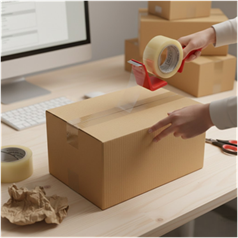
- ■ Use a wide (at least 5 cm) adhesive tape roll.
- ■ Apply the “H” shaping sealing method: seal the middle seam and both sides of the box.
- ■ This prevents the box flaps from opening and reinforces the entire packaging structure.
- ■ Apply only to a clean, dry, and dust-free cardboard surface to ensure maximum adhesion.
- ■ Avoid using ordinary stationery tape, as it lacks the necessary strength during sorting.
Sealing Liquids and Bulk Materials
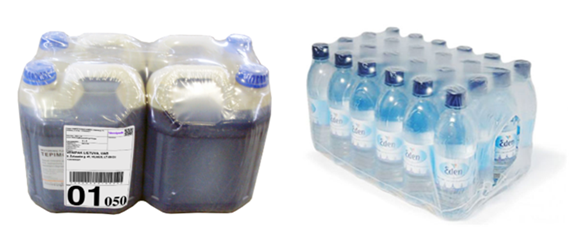
- ■ All bottles or containers with liquids must be additionally sealed under the cap or wrapped in film.
- ■ Double packaging is mandatory: place the liquid container into a waterproof bag, and then into the box.
- ■ Use sealed bags for bulk products to prevent them from spilling through box gaps.
- ■ Carefully check that all caps and lids are tightly closed before placing them in the packaging.
- ■ Additionally insulate glass containers with liquids from external impacts using cushioning materials.
Protection Against Moisture and Dust
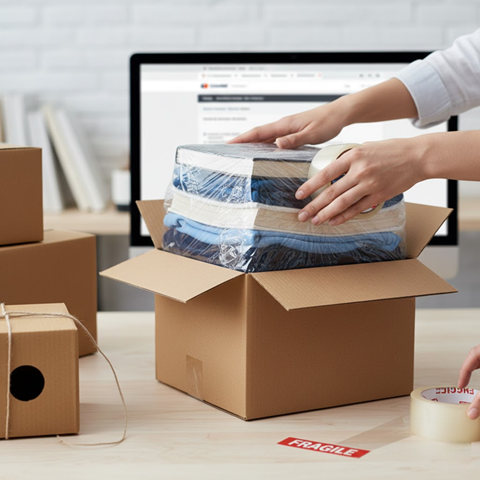
- ■ If the contents are sensitive to moisture (clothes, books), wrap them in polyethylene before placing them in the box.
- ■ Ensure the packaging is completely closed – no open gaps or holes.
- ■ Do not use paper rope or fabric ribbons, as they can catch on sorting equipment.
- ■ Keep the packed shipment in a dry room until the courier collects it.
- ■ Use additional moisture-absorbing silica gel packets for particularly sensitive items.
REMEMBER: An improperly sealed shipment from which liquids spill or contents leak can damage other customers' shipments. In such cases, the sender bears full responsibility for the damage caused.